
Platform
ARS Phoenix: the reference platform for first-responder ISR
ARS Phoenix is Aerial Response Systems' internal engineering platform, under development to support intelligence, surveillance, and reconnaissance work in search and rescue and wildfire response missions.
Mission Context
Public safety aviation context for the Phoenix platform story
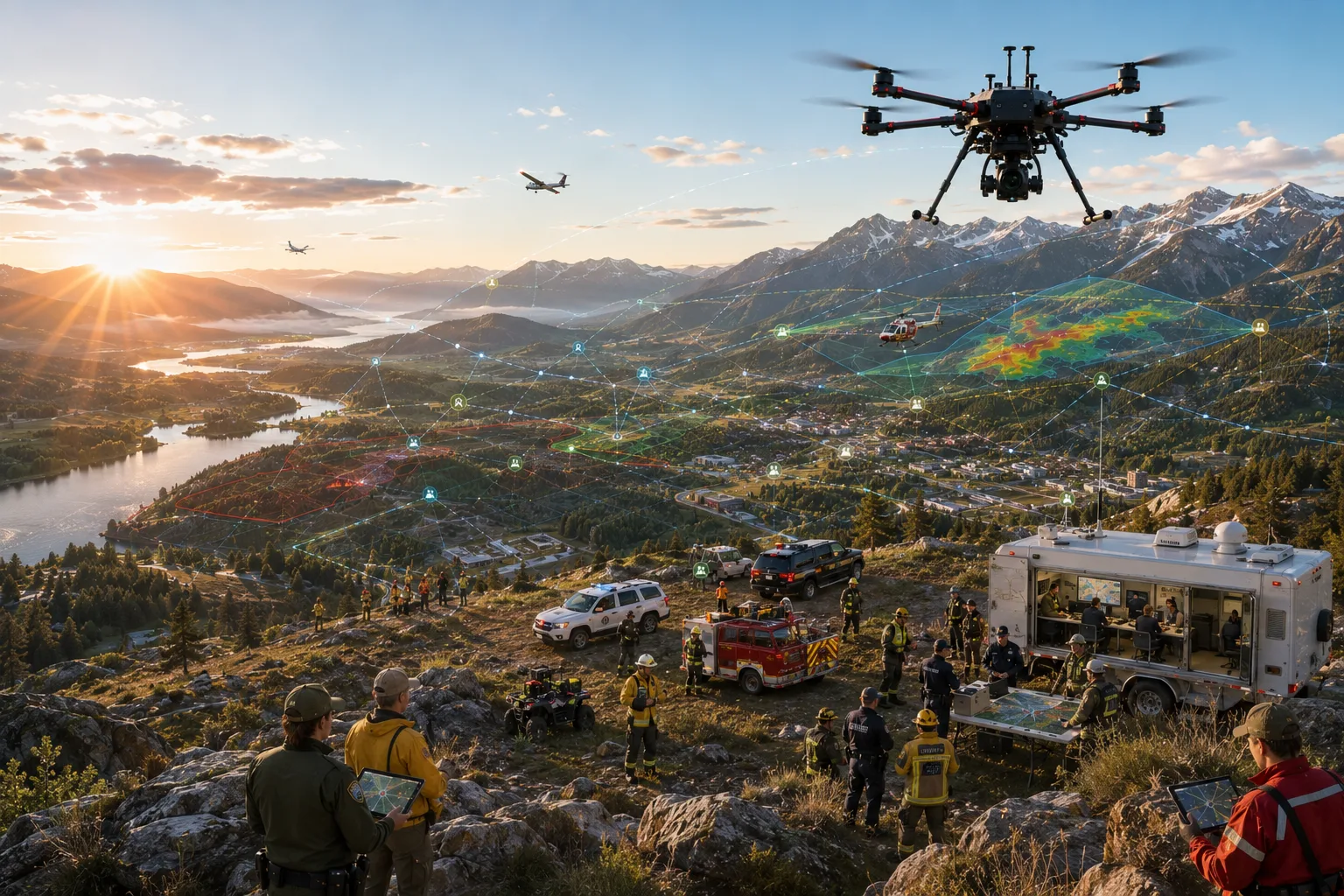
This visual supports the platform narrative without implying field deployment. It frames ARS Phoenix as a development-stage reference platform for mission intelligence, sensing, and operator decision support.
Concept visual
ARS public safety mission context
Product Concept
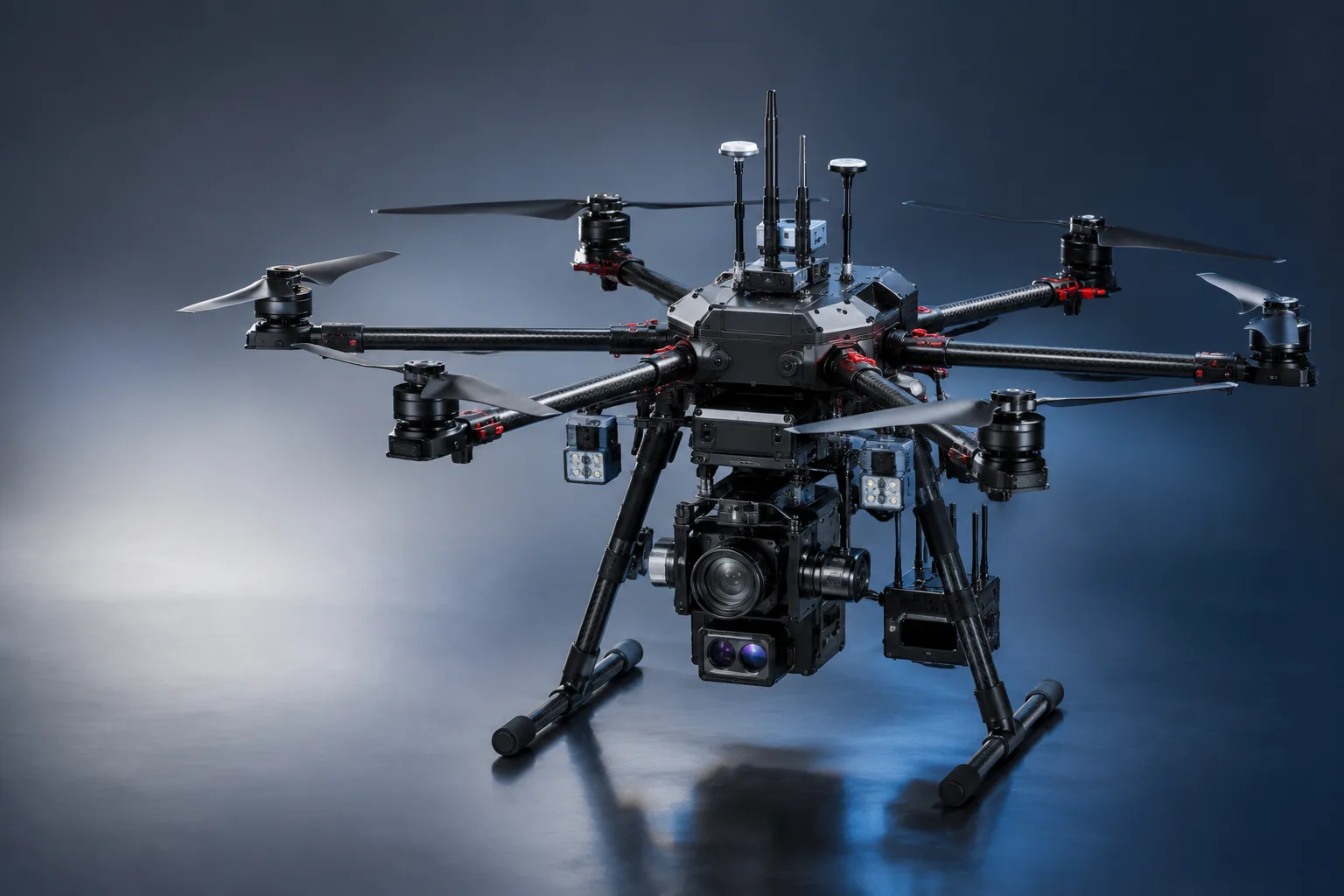
A premium visual reference for the ARS Phoenix platform direction
This is a rendered illustration, not the built aircraft: the bench aircraft carries a fixed thermal camera rather than the gimbaled sensor pod shown. The surrounding copy keeps status clear: internal, pre-commercial, and in active development.
Concept visual
ARS Phoenix flagship concept
Platform Overview
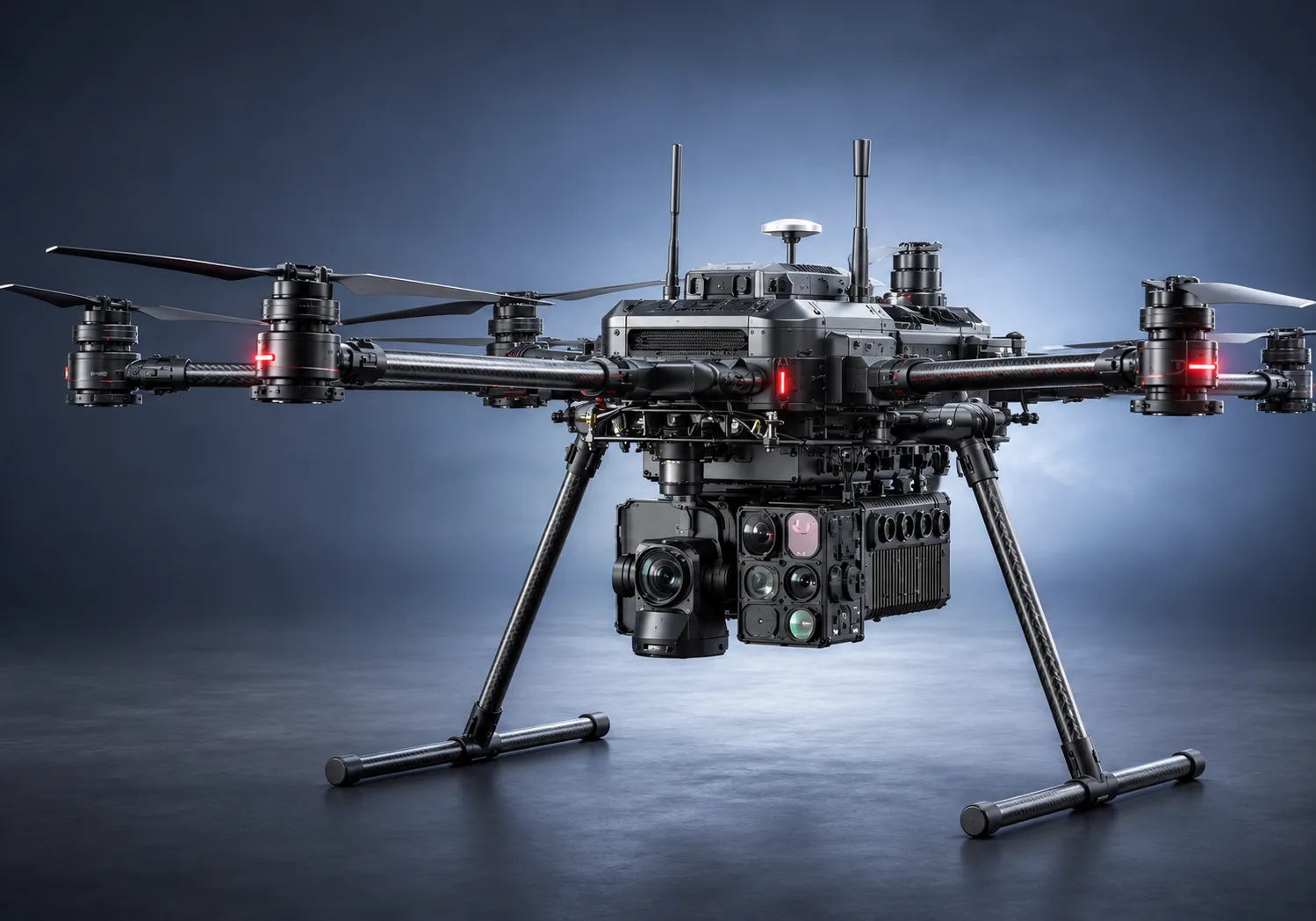
Aircraft, compute, payload, and mission software in one platform story
Rather than presenting a generic drone, this view anchors the platform in the components that matter for first-responder ISR: flight control, edge compute, thermal sensing, telemetry, airspace awareness, and mission output. This is a rendered illustration, not the built aircraft: it shows a gimbaled sensor pod and sensors the bench aircraft does not carry.
Concept visual
ARS Phoenix platform overview
Phoenix Product Explorer
Explore the platform as a modular mission system
Switch between the aircraft, payload, communications, power, deployment kit, and fleet-readiness concepts. Each visual is conceptual and preserves ARS's current development-stage posture.
Phoenix Explorer
Airframe
Phoenix reference airframe
Reference platform for ISR-focused engineering, still described as pre-commercial and in active development.
Conceptual product experience. Does not imply commercial availability, certification, or agency deployment.
Engineering Beauty Shot
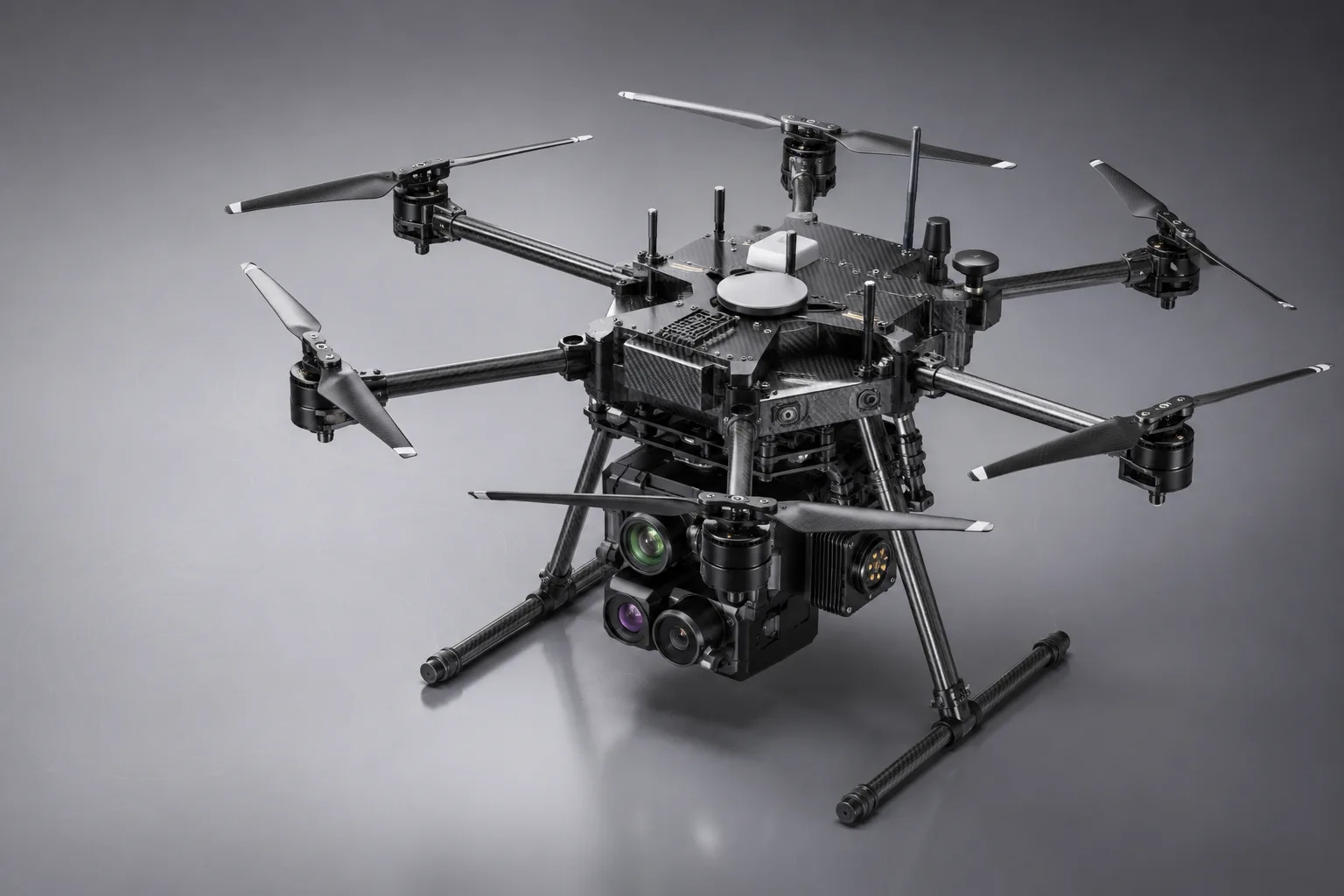
A refined product visual for ARS Phoenix engineering storytelling
This is a rendered illustration, not the built aircraft or a photograph: the bench aircraft has a fixed thermal camera, not the gimbaled pod shown. The surrounding copy stays careful about maturity, validation, and availability.
Concept visual
Phoenix engineering beauty shot
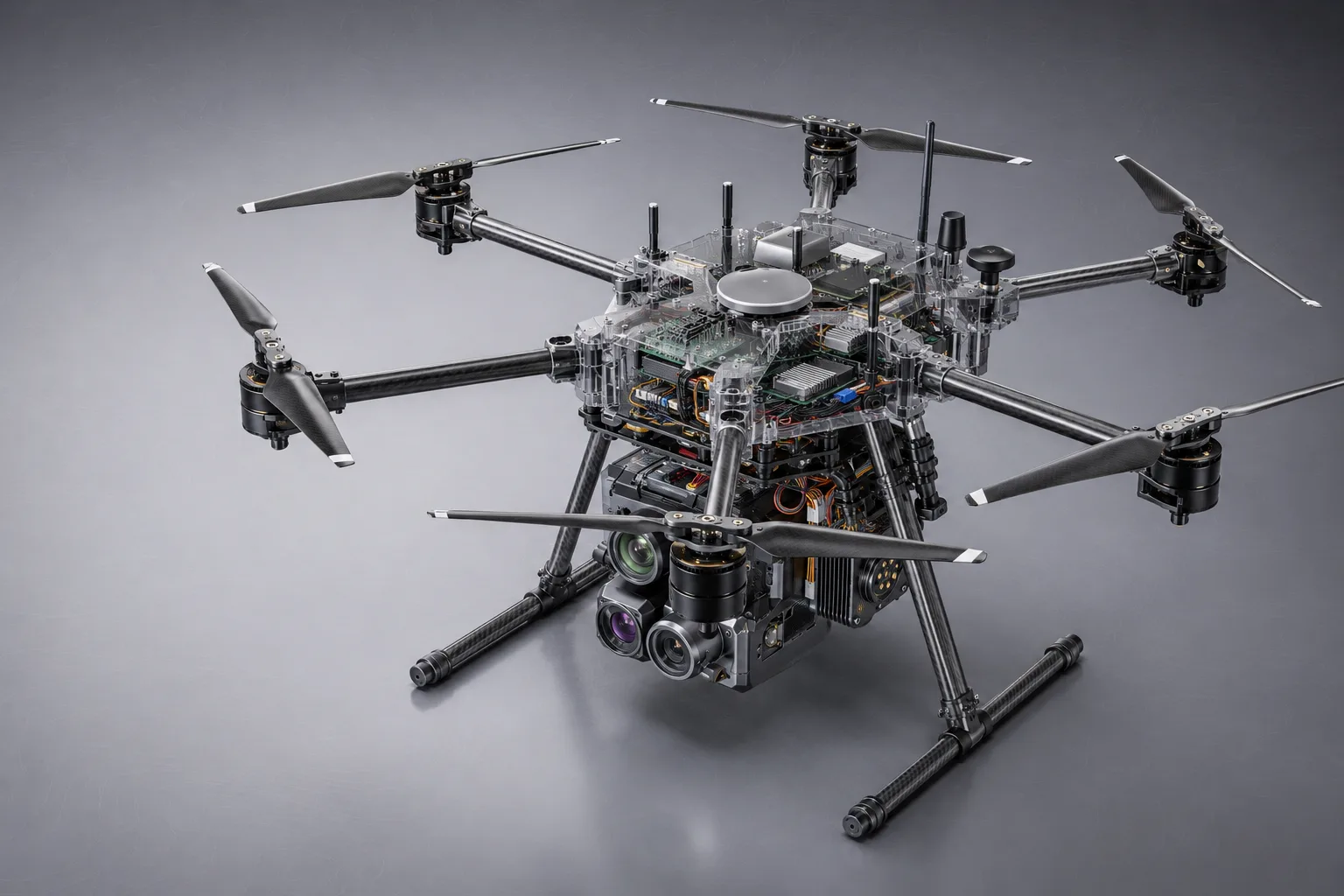
Internal Architecture
Internal platform architecture and mission-compute layout
A rendered illustration for discussing compute, sensing, payload integration, and mission software, not the as-built aircraft and not a layout or specification; nothing in it is finalized.
Concept visual
Phoenix internal architecture
Platform Components
What ARS Phoenix is built from
Rather than developing a flight stack from zero, ARS Phoenix pairs an established, open flight-controller foundation with ARS's own mission software, sensor integration, and decision-support layer.
Flight Controller
Built on an established, open flight-control foundation rather than a from-scratch flight stack, handling stabilization, navigation execution, and failsafe behavior.
Companion Computer
A dedicated onboard companion computer runs ARS's mission software over a standard flight-telemetry link — separate edge compute for real-time sensor processing, distinct from the flight-critical controller above.
Thermal & AI Detection
A thermal imaging core paired with onboard AI-assisted detection, designed to support person detection in search and rescue and hotspot detection in fire response. Detection performance has not been independently verified.
Telemetry & Command Link
Designed around a long-range telemetry radio for MAVLink command and control, independent of the video and sensor data paths.
Airspace Awareness Link
Receives 1090 MHz ADS-B traffic directly and applies tiered deconfliction alerts as manned traffic is detected nearby. It can accept Remote ID reports from the companion ARS Sensor Payload; those reports are not yet used for alerts.
GPS Position Source
A GPS receiver feeds the flight controller. Detecting anomalous or spoofed navigation data is a design objective, not a demonstrated capability.
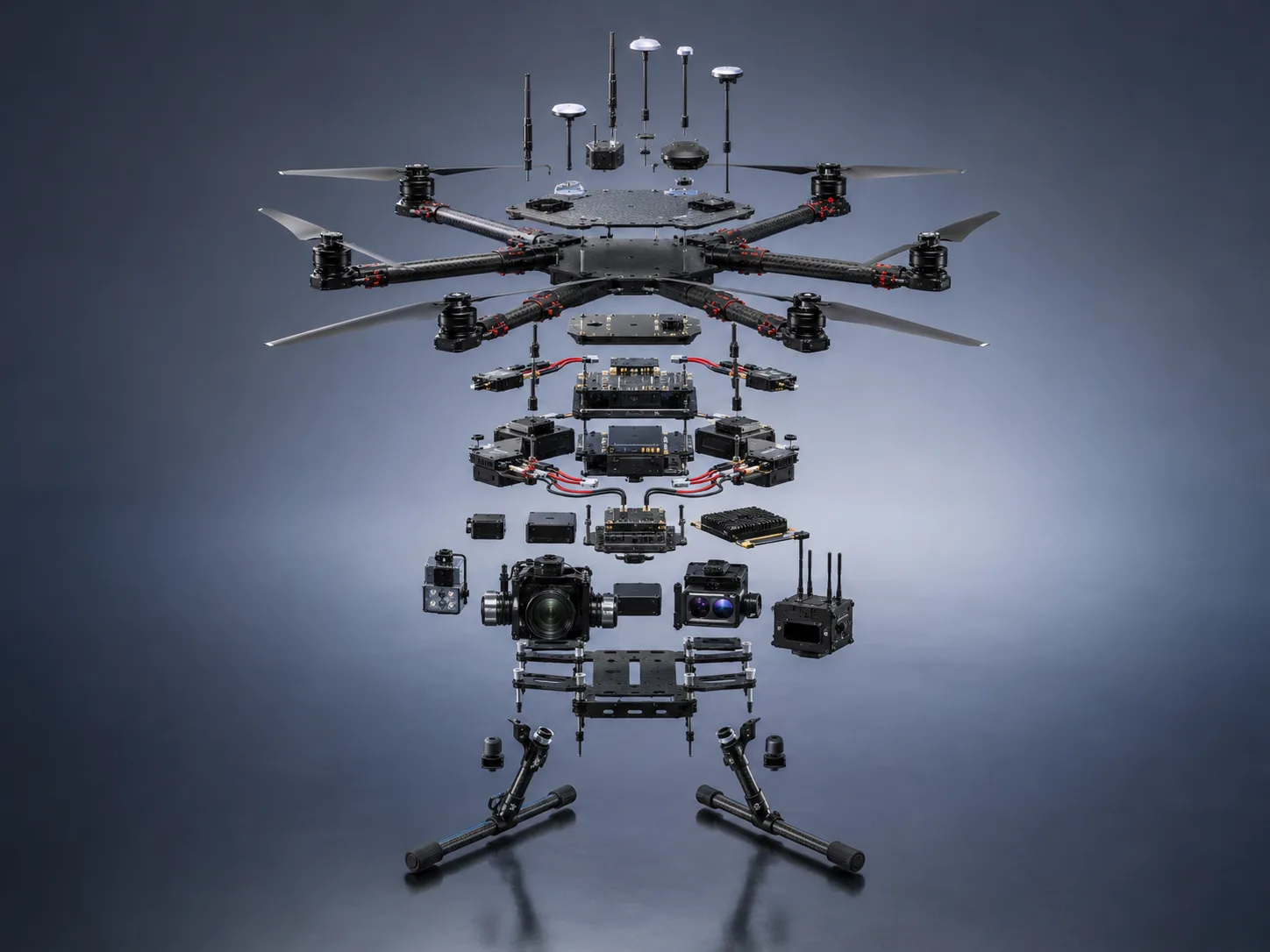
Exploded Engineering View
A component-level view of the Phoenix platform concept
A rendered illustration of the intended modular system (payload, compute, sensors, telemetry, and operator-facing software), not a parts list or the as-built bench aircraft.
Concept visual
Exploded engineering view
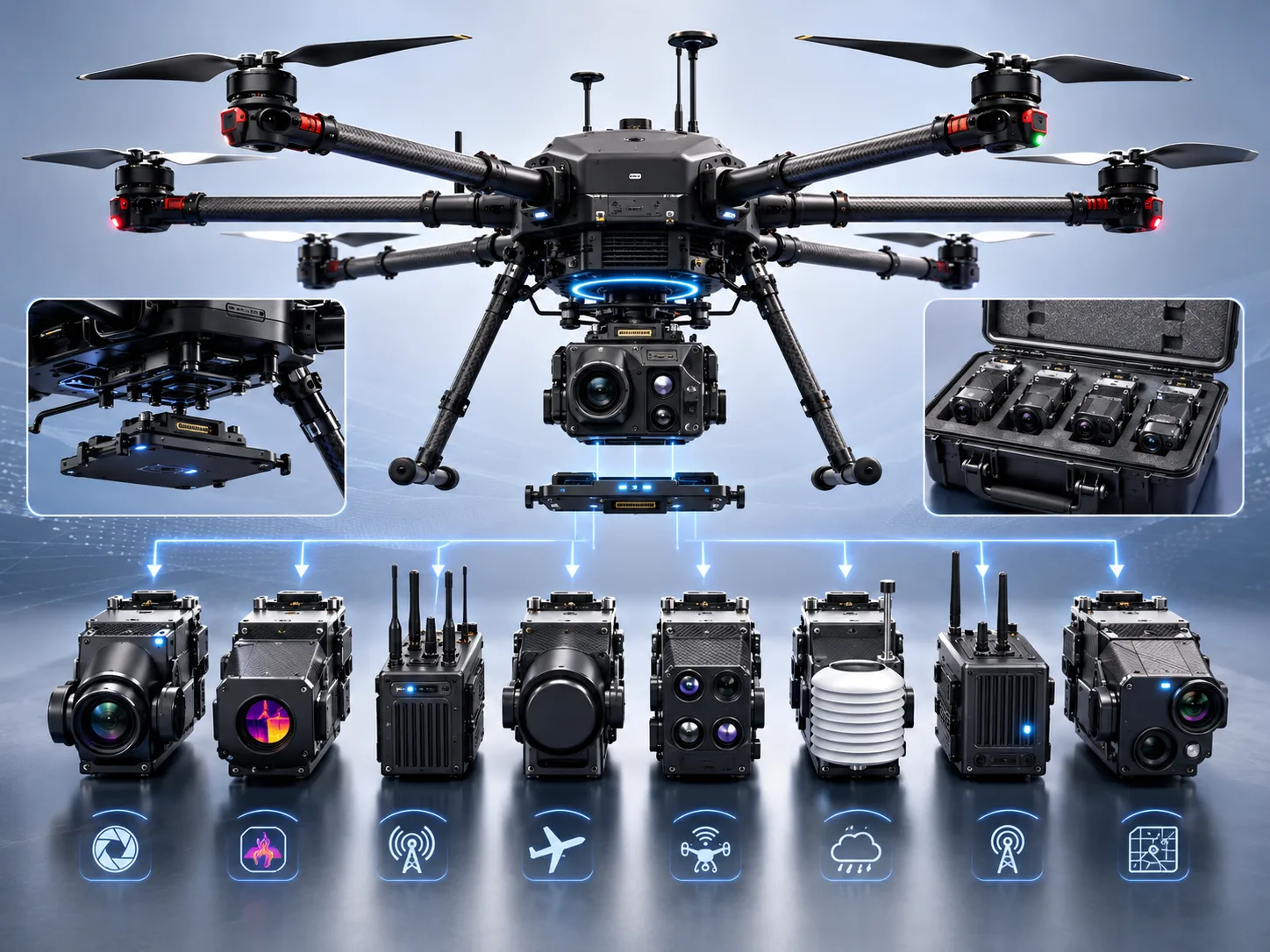
Modular Payload
Payload architecture for mission-specific sensing
A rendered illustration of an intended modular payload concept, not a built payload: the modules shown (including RF, ADS-B, Remote ID, thermal and weather modules) are not all built, and the system has not flown.
Concept visual
Modular mission payload system
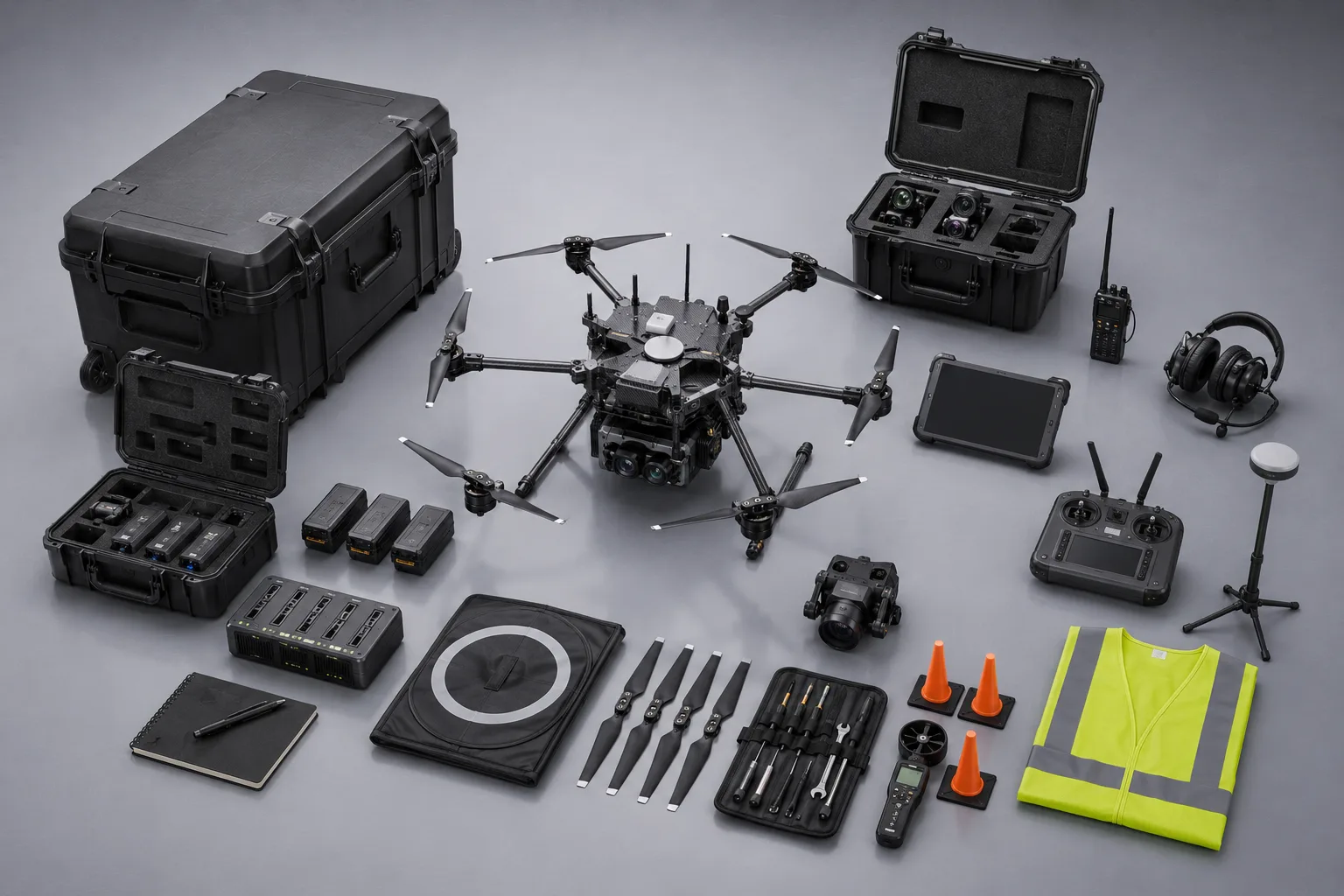
Rapid Deployment Kit
Field kit concept for launch preparation and support
The deployment-kit image supports a practical field operations story: equipment readiness, transport, launch preparation, and repeatable mission setup.
Concept visual
Rapid deployment kit
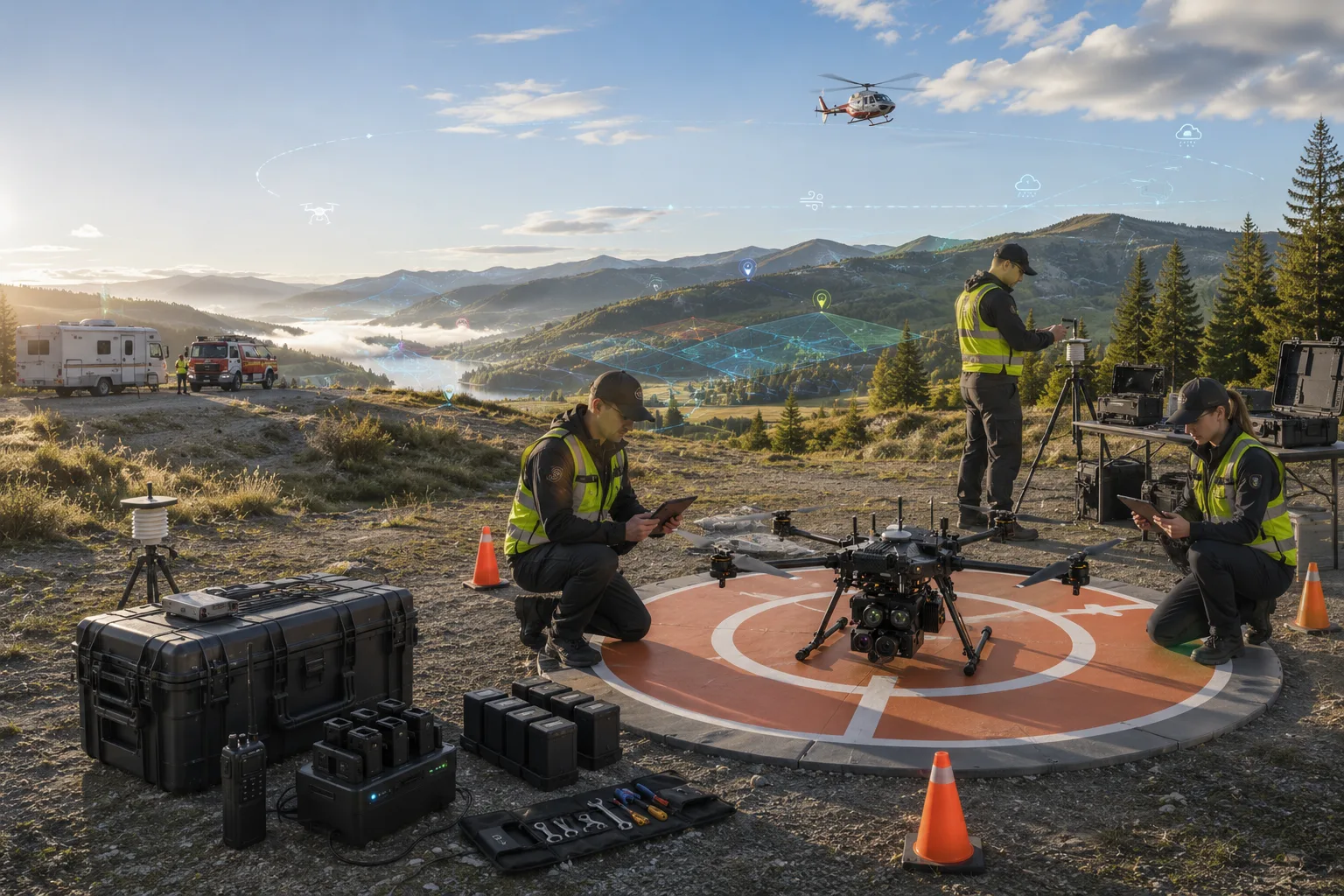
Mission-Ready Launch Zone
A launch-zone view for operational planning conversations
The launch-zone visual frames how a Phoenix mission could be prepared in the field while remaining a concept image, not evidence of operational deployment.
Concept visual
Mission-ready launch zone
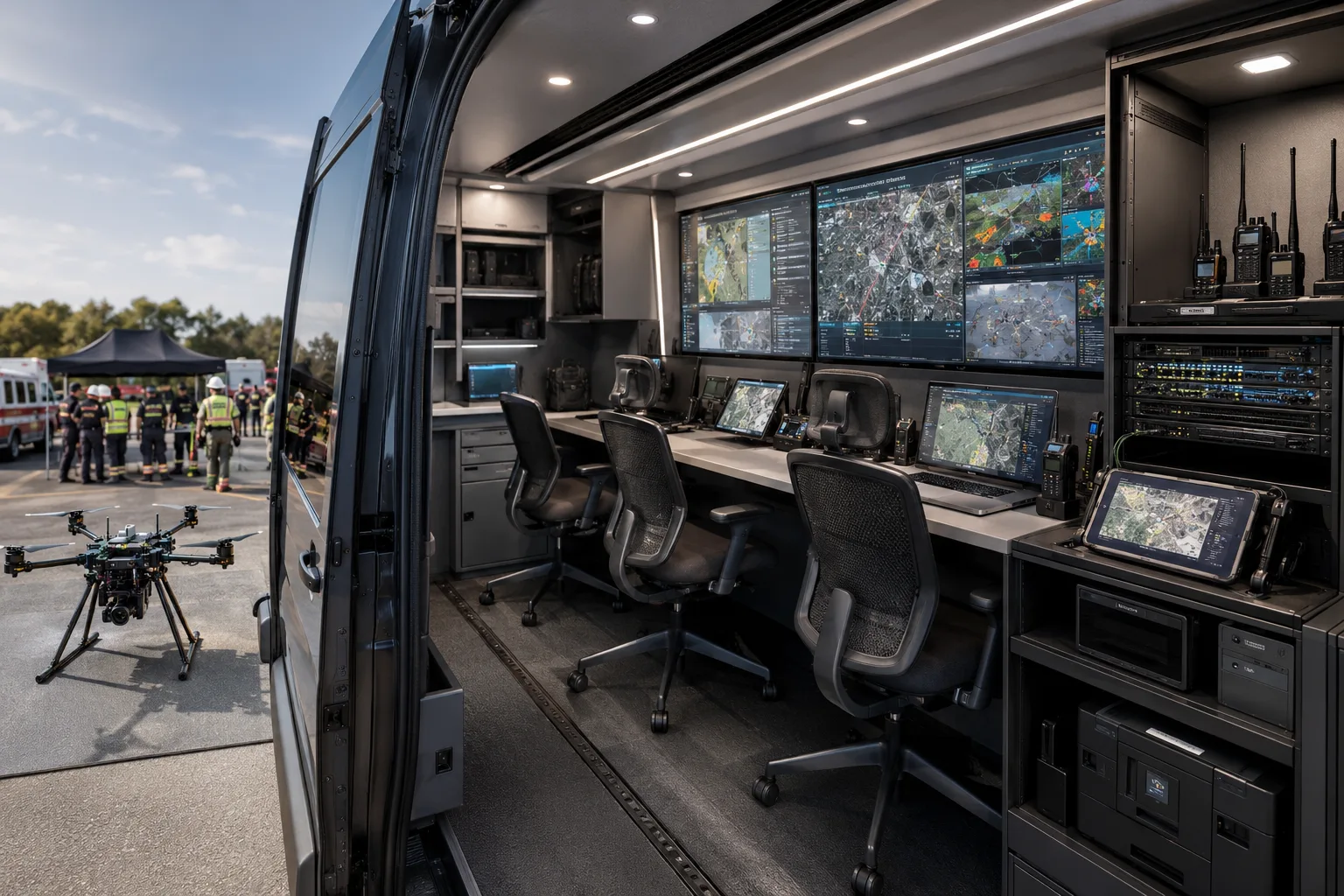
Mobile Command Integration
Connecting the platform to field command environments
The mobile command vehicle visual supports the communications story: aircraft data, role-specific displays, and shared mission context moving toward the people coordinating the response.
Concept visual
Mobile command vehicle integration
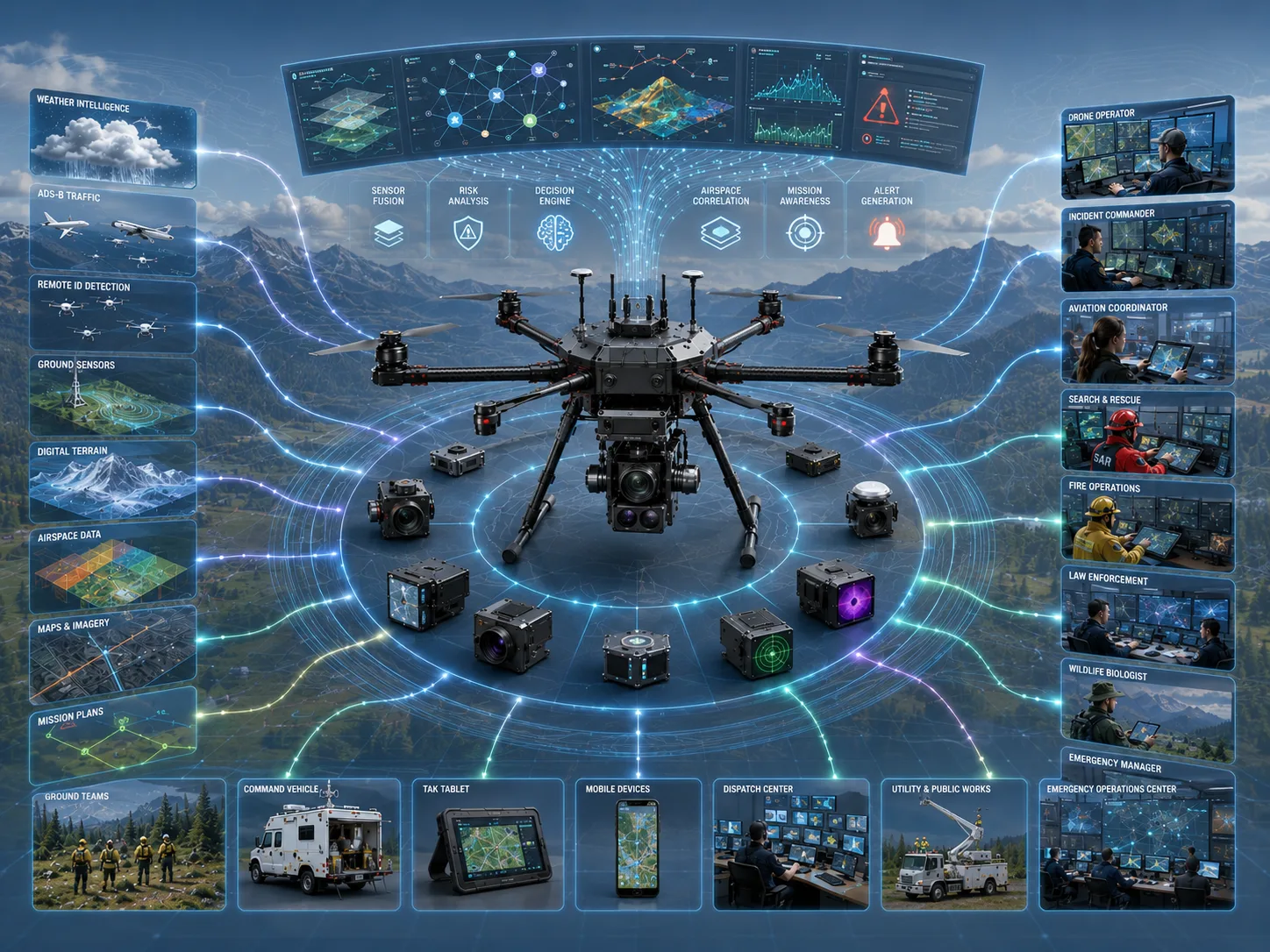
Operational Ecosystem
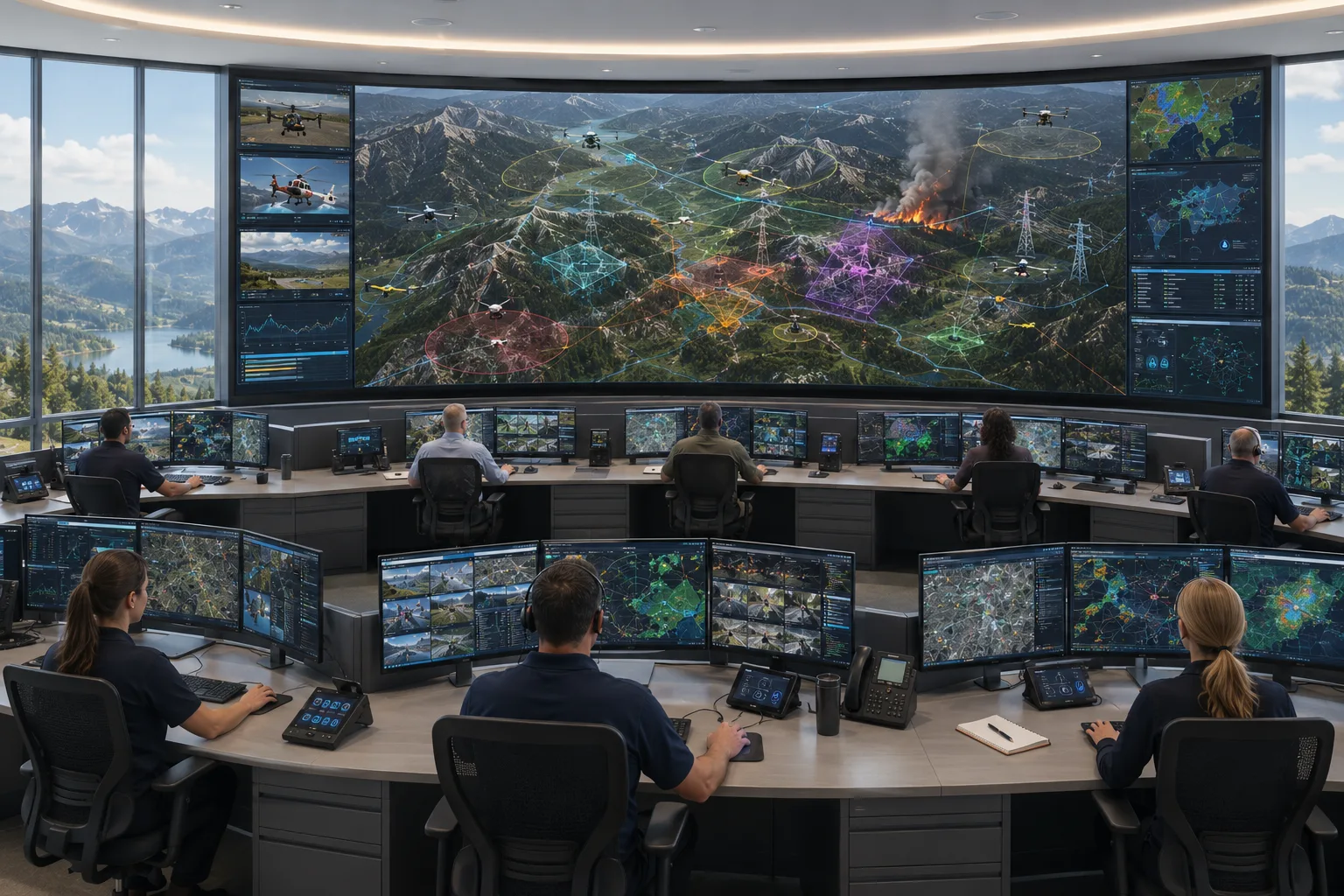
Phoenix connects into a wider mission data architecture
The aircraft is only one part of the ARS concept. The platform is designed to feed mission displays, advisory engines, and TAK-oriented interoperability while command authority remains with trained operators.
Concept visual
ARS unified ecosystem
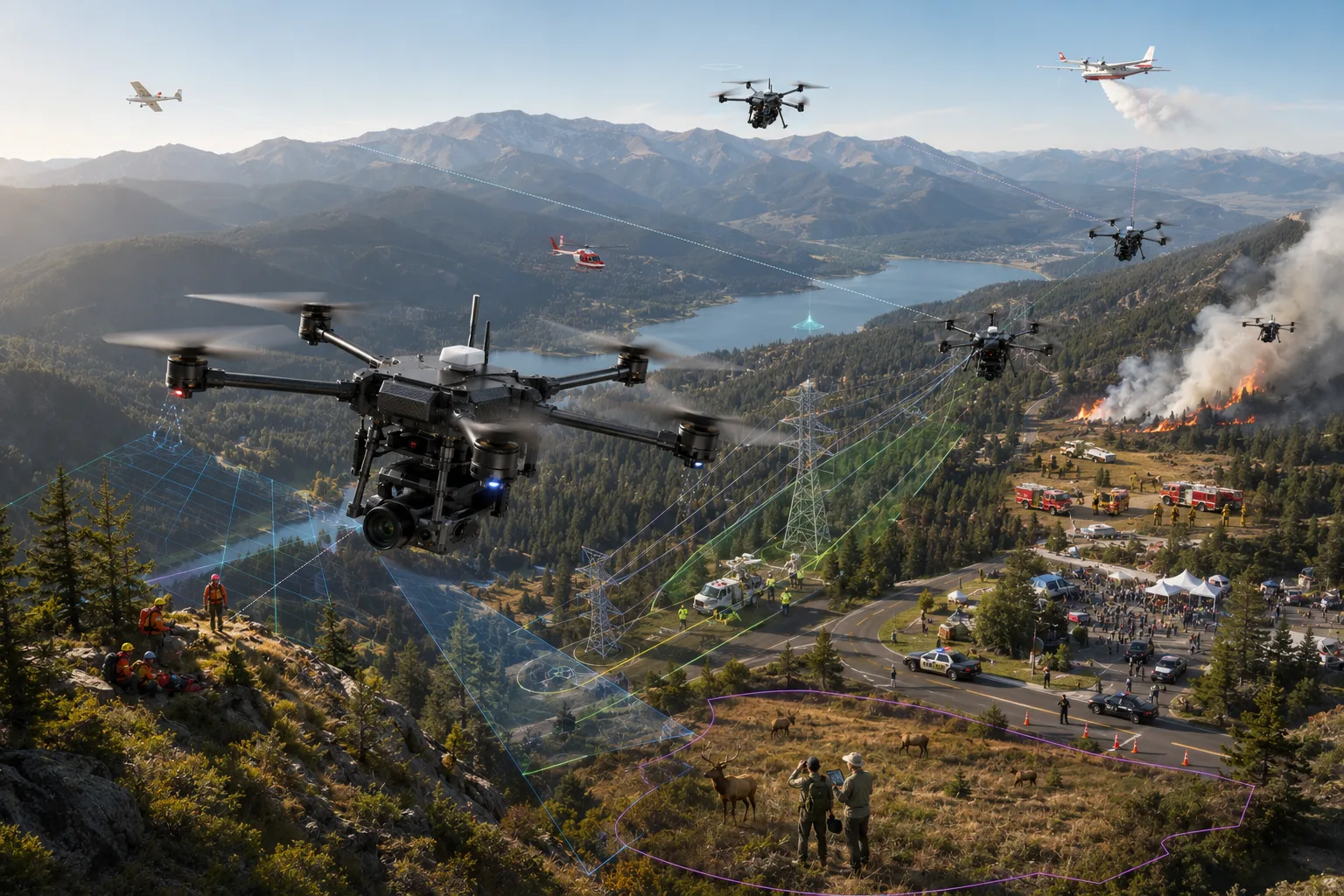
Fleet Operations
Readiness concepts for future multi-aircraft support
Fleet operations visuals are used as future-state concepts for readiness and coordination. They do not imply deployed fleets, customers, or operational adoption.
Concept visual
ARS fleet operations
Fleet Coordination
Coordinating platform readiness across mission support roles
The fleet coordination and maintenance assets support a disciplined operations vision: readiness, maintenance posture, and mission support workflows.
Concept visual
Fleet coordination center
Operator Workflow
Intended workflow: from launch to after-action review
- 1
Plan and launch under standard manual and assisted flight modes (the platform has not yet flown; this is the intended workflow).
- 2
Detect and geo-reference people, hotspots, or airspace contacts.
- 3
Broadcast positions, detections, and alerts as CoT to TAK-compatible tools.
- 4
Raise traffic alerts and advisory weather context for the operator's judgment, with a return-to-launch response on critical traffic alerts.
- 5
Preserve a roadmap path toward after-action review and event logging.
SAR Probability-of-Area Engine
PrototypeA standalone mission-planning service built on published search-and-rescue research, designed to help planners rank likely search sectors and prioritize limited flight time.
Aviation Weather Advisory
Early developmentA passive, advisory-only engine intended to translate aviation weather data into operator guidance. It is implemented and tested as software, is not deployed on the aircraft, and has not been run with live weather data; live network access is gated off by default.
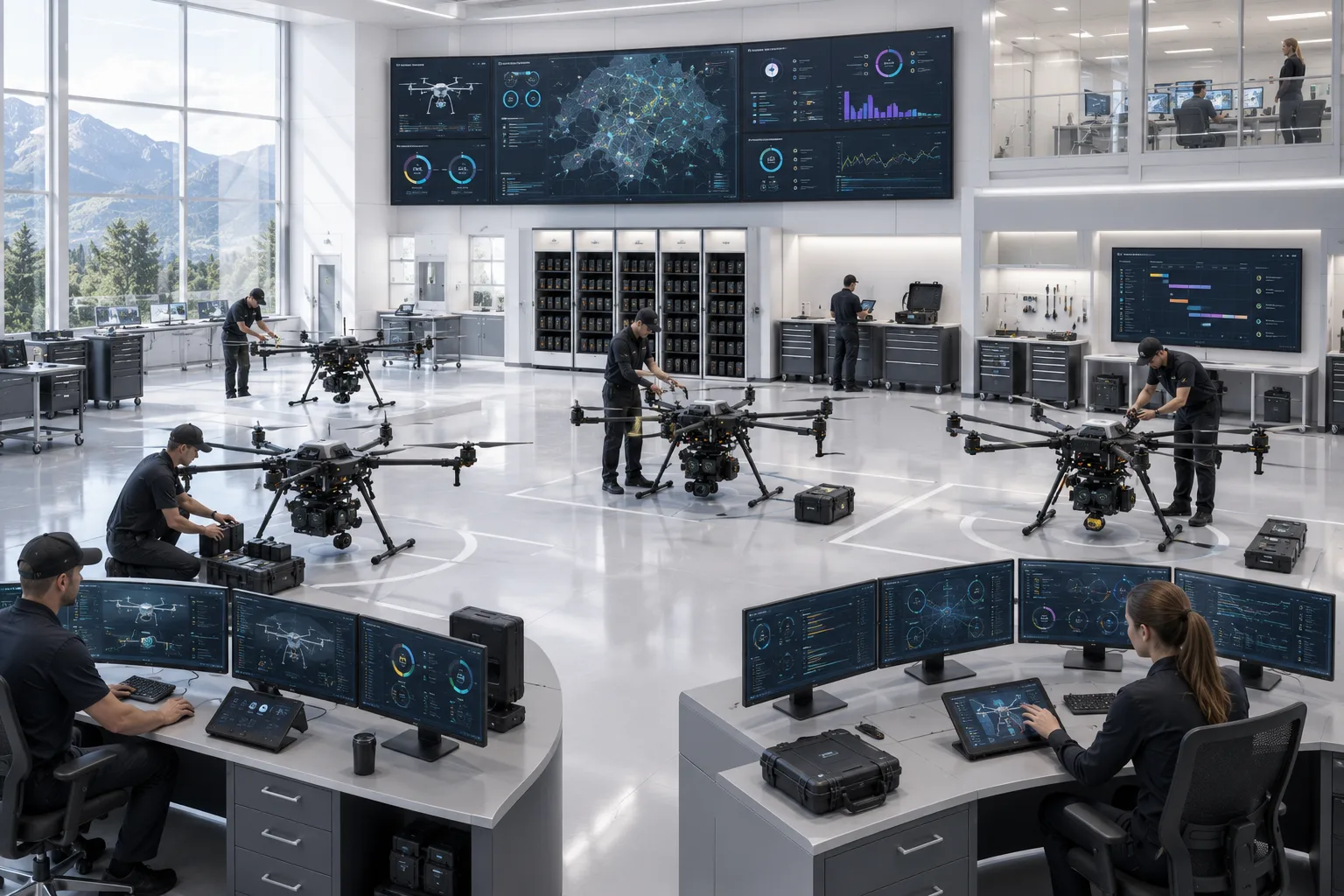
Fleet Readiness
Maintenance and readiness as part of the platform story
The readiness visual positions support operations as part of the product experience while remaining clear that this is a concept-stage visual system.
Concept visual
Fleet readiness maintenance center
Mission Lifecycle
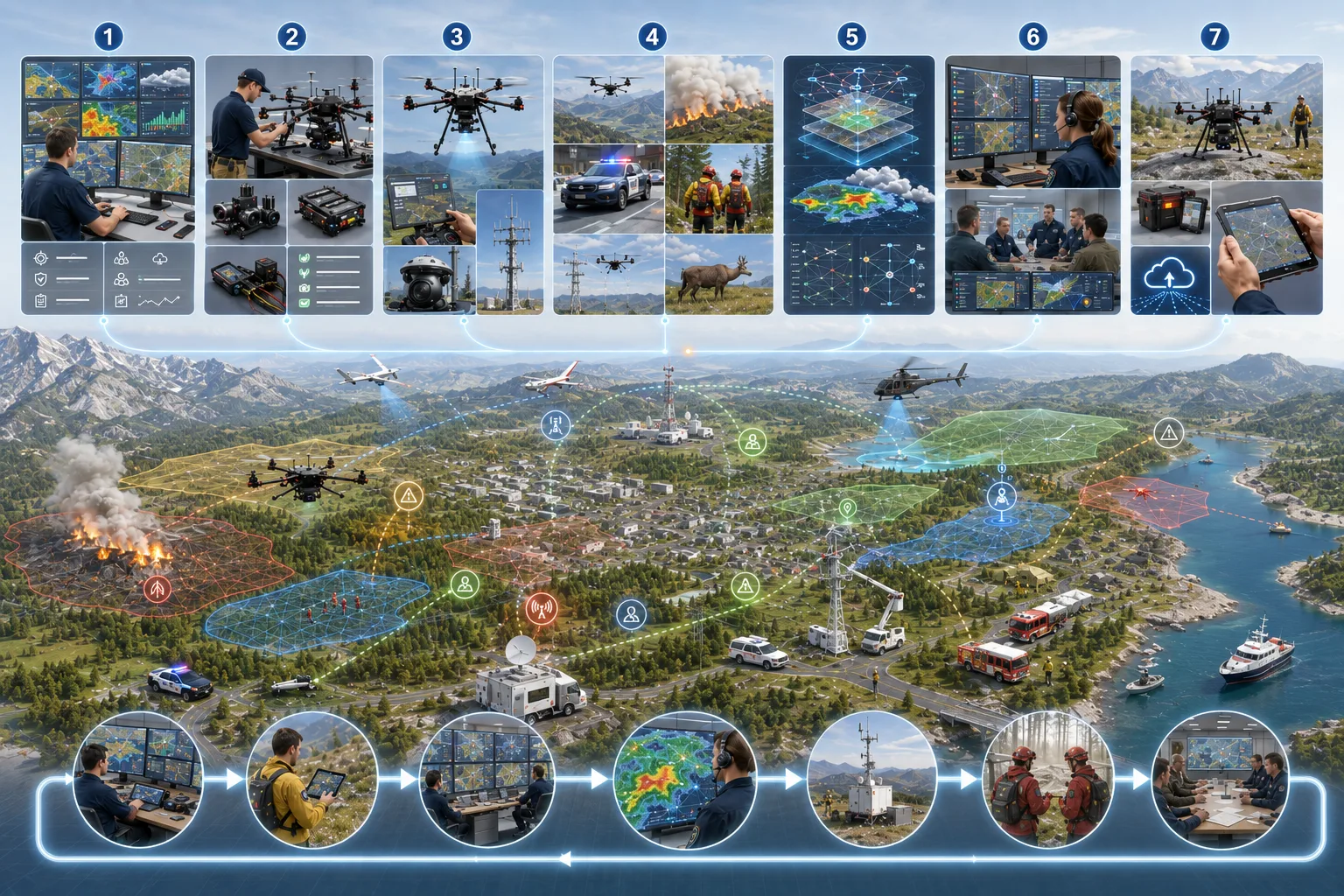
A platform story that extends beyond the live flight
The lifecycle visual places Phoenix inside the broader mission arc: planning, launch, detection, shared awareness, review, and future after-action workflows.
Concept visual
Mission lifecycle
Development Status
ARS Phoenix is an internal engineering platform under active development. It is a six-rotor (hexacopter) platform in bench-stage development: subsystems have been exercised on a disarmed bench rig, and the aircraft has not yet flown. It is not commercially available, does not hold any FAA approval or certification, and no performance specifications are published until they can be independently verified.
Interested in ARS Phoenix?
We're glad to walk qualified agencies and partners through the current state of the platform, including an honest look at what's prototype and what's still ahead. This is an engineering conversation, not a sales demo.